Does Creatine Help Build Muscle?
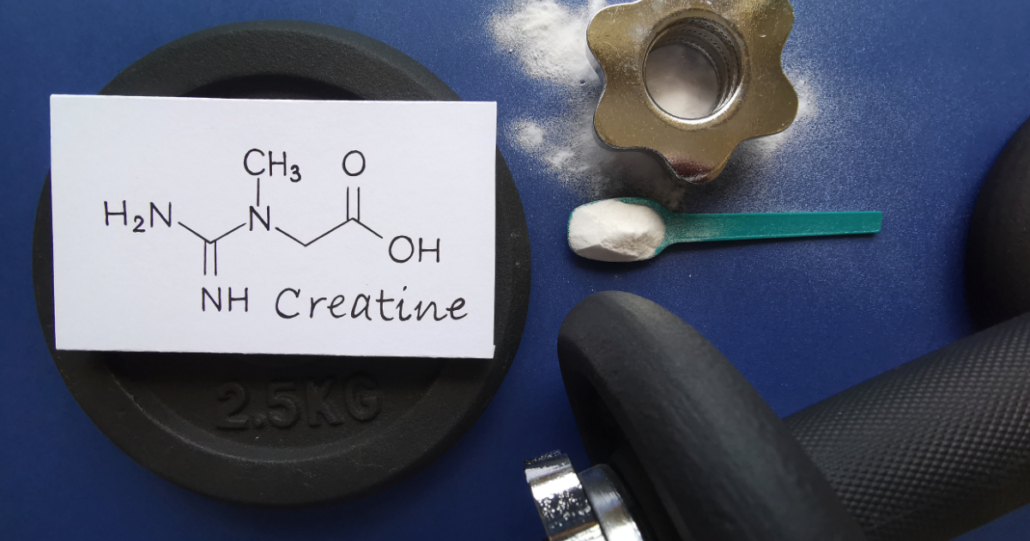
Creatine is a naturally occurring chemical your body makes by combining glycine, arginine, and methionine. It’s primarily used in energy production as a precursor in the manufacture of ATP in your body. Creatine is often used to help increase muscle mass in people who train with weights and that’s the focus of the paper I’m going to review.
Researchers in Australia recruited male and female subjects who had been sedentary and had not done any form of resistance training or creatine supplementation in the past year. They collected data on 33 controls and 30 experimental subjects for a 13-week creatine supplementation and resistance training study. The objective was to see if there were actual changes in muscle mass and lean body mass within the resistance training and supplementation program. Prior research had shown that creatine may change only water levels—creatine is known to increase fluid levels in muscle.
The tool they used to assess fluid levels was DEXA to scan for lean body mass before the study began, after the 7-day wash-in period with creatine, and after the 13-week resistance training program. They found that lean body mass increased during the wash-in period in the supplementation group before the resistance training program began, and the difference in lean body mass was maintained throughout the resistance training program. In response to the resistance training program, both groups increased lean body mass by 4.4 pounds after accounting for the initial difference in weight. Therefore, they concluded that creatine may not contribute to increases in lean body mass when used in a resistance training program because of the lack of difference between the supplement and the placebo group once the initial lean body mass was accounted for. But did they ask the correct question? We’ll find out on Saturday.
Tomorrow night is the Insider Conference Call. If you want to get your questions answered, become an Insider before 8 p.m. tomorrow night to join in.
What are you prepared to do today?
Dr. Chet
Reference: https://doi.org/10.3390/nu17061081