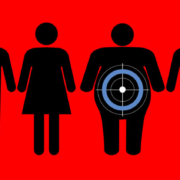

Are We Done with BMI?
Body mass index has been used for decades as a way to assess whether someone is at a healthy body weight for their height. For just about as long, it’s been under attack for the people who feel it was not representative of their body composition; high muscle mass and bigger bones were two of the complaints. I’m not going to disagree, within reason, but as a way of assessing a population in large studies, it can give us some indication of how body mass is related to health.
A recently published study has called into question the use of BMI as a predictor of mortality. Researchers used the data from the 1999–2000 National Health and Nutrition Examination Survey (NHANES) to compare BMI with a method of measuring body fat called bioelectrical impendence analysis (BIA). The subjects had all metrics measured when that wave began and were 20–49. Then they obtained death certificates for everyone in the study who died in the 25 years since.
The results presented in hazard ratios demonstrated that BIA and waist circumference were significantly related to all-cause and CVD mortality while BMI was not significantly related to either. In the discussion, the researchers suggested that BIA for determining body fat percent be used in clinical settings to assess patients at risk for increased risk of dying. Is that a good idea? Should we throw out BMI? I’ll let you know on Saturday.
What are you prepared to do today?
Dr. Chet
Reference: Ann Fam Med 2025;23:Online. https://doi.org/10.1370/afm.240330