
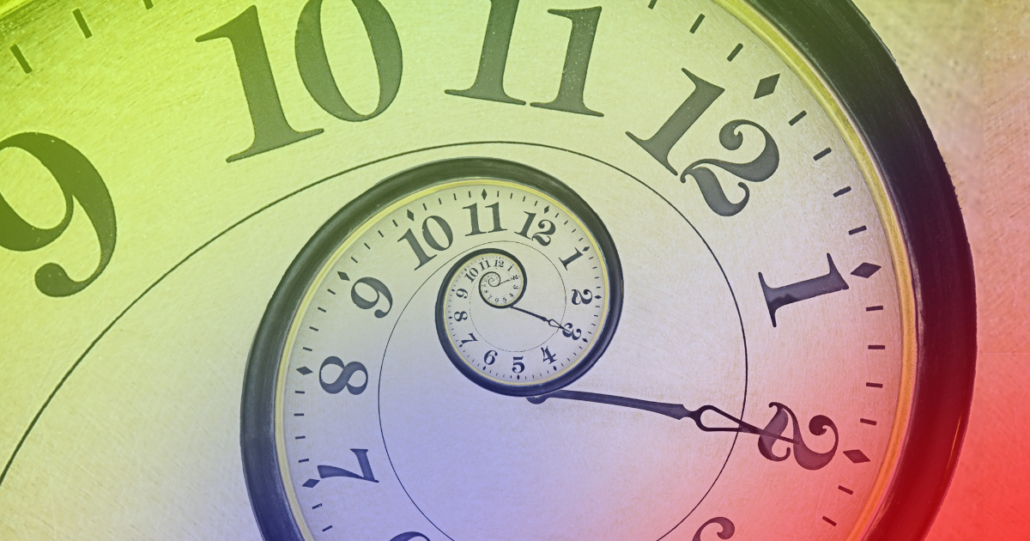
Warning: Spring Ahead
This coming weekend, the clocks are moved ahead one hour in most states here in the U.S. This seems to impact some people more than others; our bodies are more sensitive to the effects of changing sleep patterns than we think. I first wrote about this 10 years ago, and I wanted to check to see if anything has changed.
In a 2008 study, Swedish researchers found that when the clocks are turned ahead one hour in the spring, the number of heart attacks increase on the following Monday and stay elevated above the mean for the rest of that week. This was confirmed in a 2020 study that examined the same question in a larger population of Swedish and U.S. citizens.
What about the opposite situation? In the fall after the clocks are turned back, the number of heart attacks goes below the mean for the following week. One hour—that’s all we’re talking about, and it has a profound effect for about 1% of the population. Does one percent sound like no big deal? That’s over 3.3 million people who could be impacted over the next couple of weeks.
Is there a solution to this? I’ll let you know on Saturday. In the meantime, perhaps going to bed a few minutes earlier every night until then may help.
What are you prepared to do today?
Dr. Chet
References:
1. NEJM. 2008. Oct 30;359: 1966-1968.
2 Arch Intern Med. 2007 Feb 12;167(3):296-301.
3. https://doi.org/10.1371/journal.pcbi.1007927