Adaptation: Maintenance
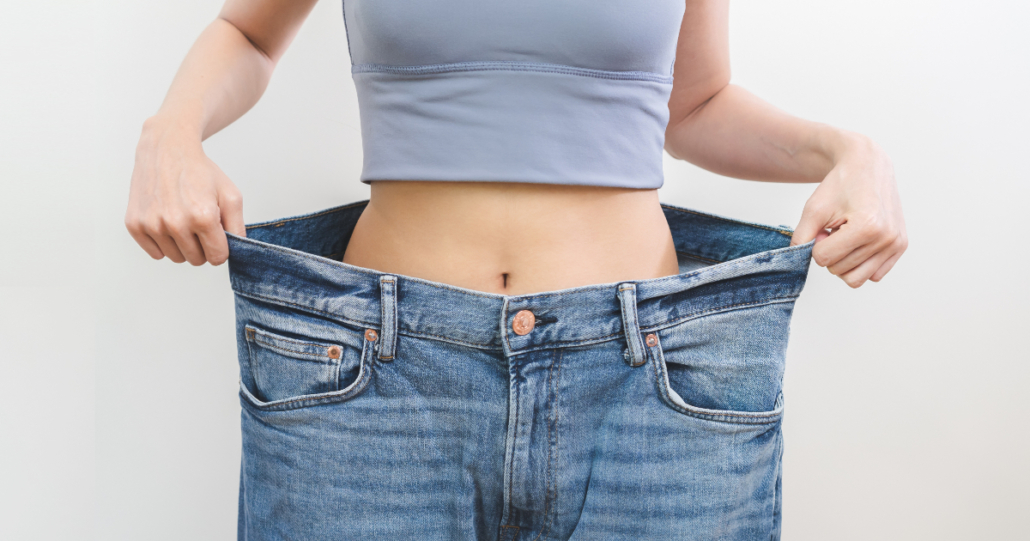
While you’re losing weight, I’ve always taught people to adopt a diet you can maintain for the rest of your life, because that’s how you’re going to have to eat for the rest of your life to maintain your weight loss. During the process, you have an opportunity: it’s going to take time to lose the weight, so you can experiment with any type of diet or eating plan along the way. The same holds true for your fitness plan, because using those calories does help.
If you use GLP-1 RA, the same approach still holds true. Your body is being induced to release a hormone that slows down stomach emptying, thereby eventually letting you know you’re full. Ignore it, and that leads to vomiting, bloating, and diarrhea. The actual GLP-1 hormone our bodies produce works more subtly, and our task is to get to the point that we listen to the inner signals again. Based on the very limited research so far, here is the best way to do that, followed by my best estimate of the time it takes to get to actual maintenance.
The Best Way to Eat
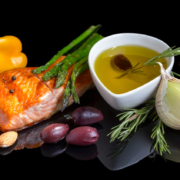
The first step is learning the Mediterranean diet or a version based on your ethnic background and shifting your diet to that while controlling the amounts you eat. Because the focus is on higher fiber foods such as beans, grains, and vegetables, it’s easy to eat less because you’ll feel fuller sooner.
Second, research shows that fiber can be critical in promoting satiety. As you transition to a new diet, you can use fiber supplements to try to get to 30 grams or more of fiber every day. Because you may be battling the loss of muscle at the same time, maintain or increase your protein intake; there are plenty of great plant-based sources of protein.
Finally, try to reduce ultra-processed foods to a minimum. They are deconstructed and reconstituted to provide simple carbohydrates, excess fats from oils, and preservatives and shelf-life extenders that are not necessary for any body functions.
That’s it for now as this is the least researched part of the adaptation phase of weight loss. In reality, maybe it’s all we really need but when there is more info, I’ll let you know.
The Timeline
To be blunt, there’s no research to suggest how long you have to pay attention before your body completes adaptation to your new weight. Think about it—every system has to adapt, from the digestive system processing food, the microbiome adjusting to new foods, the endocrine system producing the correct hormones, and on and on and on. That’s going to take time.
I haven’t found research that gives a precise timeline, but I can give you my observation from interviews with people who have lost significant amounts of weight and maintained it: 18 to 24 months is typical. At that point, their bodies seem to have adapted to natural cues again.
Understand that no matter how you lost the weight—medications or simply counting calories or however you do it—the adaptation phase begins then.
The Bottom Line
I’m hesitant to rely on medications for doing something we can do ourselves. The food industry has created a hostile environment of food, and we have to consciously overcome temptation. But if you think about it, everything we need foodwise is also available. We have to train our brains to seek the best and leave the rest. It doesn’t mean we have to eat twigs and berries; it just means we have to pay attention.
On the other hand, weight loss is so important to your health, I’d rather see you lose the weight by any means necessary—but still put the emphasis on healthy eating and exercise.
Medications or foods? Your body. Your choice.
What are you prepared to do today? Eat better. Eat less. Move more. For life.
Dr. Chet
References:
1. Adv Nutri. May 2026. https://doi.org/10.1016/j.advnut.2026.100647
2. Nutr. 2026 Apr;156(4):101436. doi: 10.1016/j.tjnut.2026.101436.