
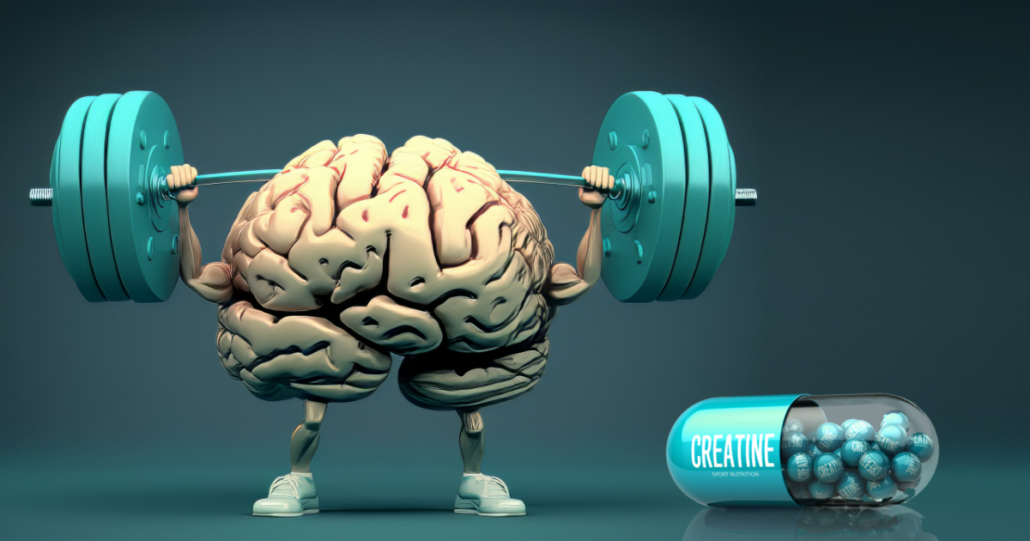
Creatine and the Unasked Question
If you read the article on creatine posted by the AMA, while as short as a sentence or two, the points were valid. Let me elaborate on a couple of the ones I think are most important.
Creatine Builds More than Muscle
The point they were making is that creatine may be beneficial to build muscle in those over 65, but that’s not all. I checked the study on the relationship between creatine intake and memory in persons 66 to 76; while it’s a meta-analysis and those can be potentially biased in the way studies are chosen for inclusion in the analysis, the data showed that memory was improved compared to a younger population.
The question is why? My personal opinion is that creatine may increase the production of energy in nerve cells in the brain, which can help learning and memory. There’s also the possibility that creatine may help increase the fluid content of brain tissue, thus making the cells work more effectively; we do tend to dehydrate more as we get older.
The second important point was that creatine is safe to use for nearly all of us, provided we don’t have chronic kidney conditions. While there have been a few small studies that have shown that even in people with diabetes-related kidney failure, creatine can be safely used, it’s best to work with a physician/specialist if you’re in that category of kidney disease. They can check creatinine levels to make sure kidney function isn’t being harmed. For the rest of us, using 3 to 5 grams of creatine every day seems to increase the benefits of muscle repair and growth with weight training.
The slight water retention and digestive issues mentioned are minor issues that typically resolve themselves when compared to the benefits creatine may generate. Just remind yourself that if your brain is retaining a little water, that’s a good thing!
The Unasked Question
What’s the question no one ever asks in nutrition studies? “How did you feel while you were taking the supplement?” Feelings can vary depending on the supplement: more energy, better sleep, fewer digestive issues, and on and on. I’m not talking about filling out questionnaires or taking tests. We’re all grown up enough to know that you may feel a little worse at first, but it usually goes away with time, so don’t get in a hurry to give up on creatine.
Simply, “How did you feel?” At the end of the day, that’s what’s really important to the person taking the supplement. Too often, because there are no real “hard science” tests for how a person feels, it’s not asked. We simply don’t know everything about how every food, every supplement, and every pharmaceutical impacts every tissue in every organ in the body. Sometimes, it’s just about how you feel day in, day out.
What are you prepared to do today?
Dr. Chet
References:
1. https://www.ama-assn.org/public-health/prevention-wellness/9-things-patients-should-know-about-taking-creatine
2. Nutr Rev. 2023 Mar 10;81(4):416-427. doi: 10.1093/nutrit/nuac064.