Carbs and Insulin: Diet Matters
On Wednesday, I told you about a study of people who experienced an energy crash after eating carbs. The next study was more pragmatic: we have non-diabetic people who seem to have reactive hypoglycemia (RH), but can we treat it with diet alone? This is a concern because many believe that RH in these people may be a precursor of pre-diabetes and type 2 diabetes. This time, the researchers recruited 40 normal-weight subjects with RH symptoms to see if a dietary intervention could improve symptoms over a year. After testing all subjects, only 12 subjects actually had blood sugars below 55 mg/dl, the more-or-less agreed upon lower boundary for blood sugar.
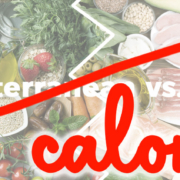
After assessing their initial diet, subjects met with a dietician four times over the next six months. They were taught the nuances of a Low Glycemic Index Diet in private sessions with a dietician. The subjects were asked to follow that diet for the next three months, with a follow-up session with the dietician midway to fine-tune the diet. The same pattern was followed for the Mediterranean diet. The subjects were tested for RH symptoms after each diet; then for the next six months, they were told to follow any diet they chose based on what they’d learned. All subjects were tested again after 12 months.
A couple of results stood out to me. After six months, the subjects ate an average of four times per day instead of the three times before the study began. Second, they allowed more time between each meal than they had before. While they were instructed on portion sizes during the training periods on each diet, there were no limitations on how much they ate or and no counting calories.
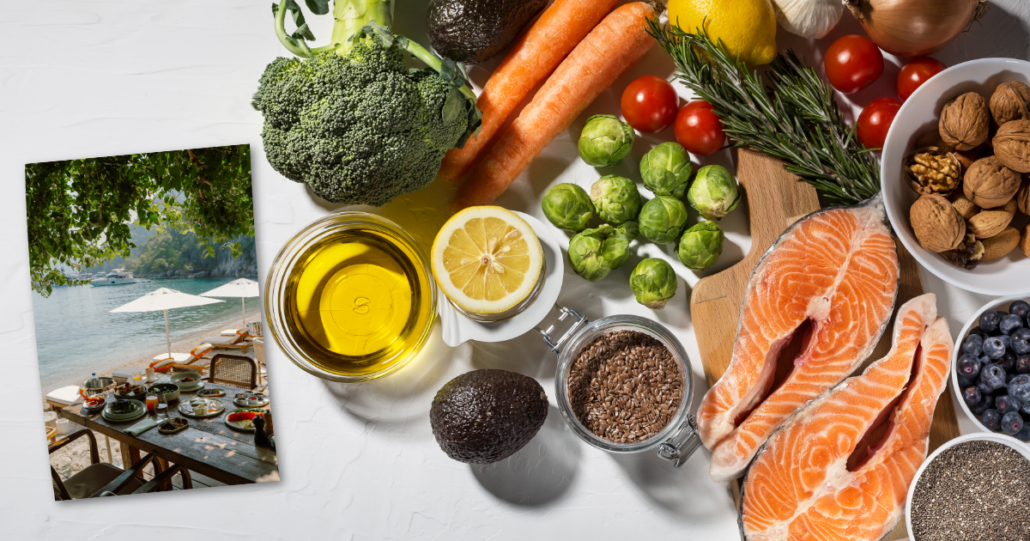
When it comes to the symptoms associated with RH, five of the seven tested were significantly reduced. The researchers attributed it to a healthier eating pattern. After the 12-month study, 80% of the subjects leaned toward the less-complicated Mediterranean diet, which increases the number of whole grains, vegetables, beans, and nuts.
What do we know now that we didn’t know then? Two things: diet matters when it comes to hypoglycemia in non-obese, non-diabetic subjects. Further, individual attention, even just four sessions within six months, is enough to help people make better choices. Whether that lasts more than a year is unknown, but we also know this: the most powerful hormone in the body—insulin—doesn’t cause the insulin overshoot phenomenon in otherwise healthy people. The search for the cause continues.
The Insider Conference call will be next Wednesday September 16 at 9 p.m. ET, and the topic will be Sugar and Carbs—Fact or Fiction. Some of the facts and fictions covered will be:
- Does eating sugar cause diabetes or pre-diabetes?
- Can type 2 diabetics eat sugar?
- Which organ wants and uses more sugar than any other?
- What are hidden sources of sugar on nutrition labels?
- Can overeating carbohydrates cause non-alcoholic liver disease?
- And even more, plus answers to your questions.
The Guest Pass for this Insider Conference call will be available just like last month for $9.95. Sign up before 8 p.m. Wednesday to be included, and a replay will be available within the following week.

Click on the ticket
to sign up!
What are you prepared to do today?
Dr. Chet
Reference: Nutrients 2022. (14) 497. https://doi.org/10.3390/nu14030497