Adaptation: Exercise
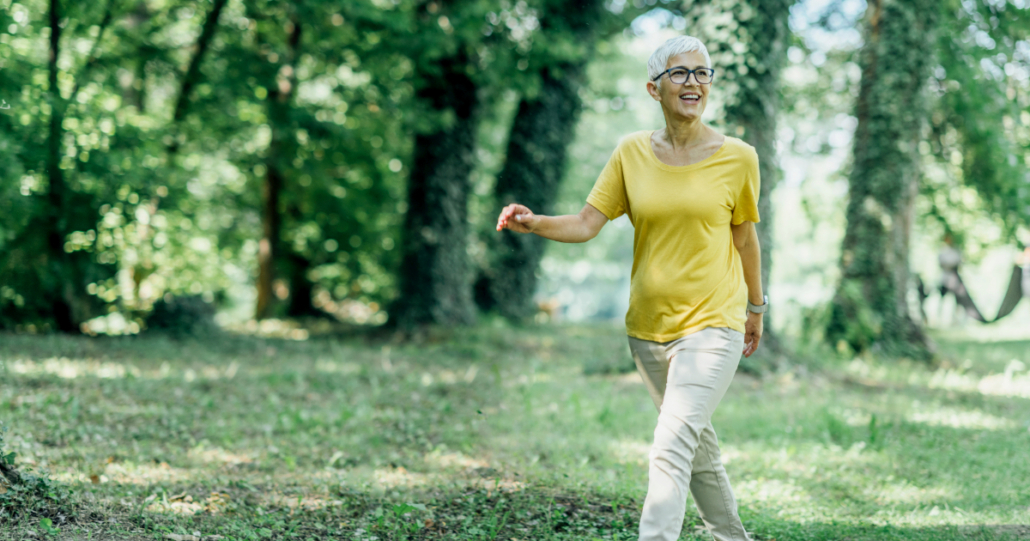
I can’t think of a better example of positive adaptation than exercise. Whether it’s a sport skill, increasing strength, or improving cardiovascular fitness, exercise uses the adaptation principles; the difference is that it’s an intentional act instead of a response to a physical challenge. As an example, let’s use walking or running to improve the fitness of your heart and cardiovascular system as well as every other system involved—which is just about every other system we have.
Let’s begin with how your cardiovascular system would respond to beginning a walking or jogging program. The first walk with a purpose—faster than window shopping and not so fast that you’re stopping to catch your breath every minute—every system in your body is going, “What the heck is going on here?” Your heart may not be used to speeding up like that. The blood isn’t used to traveling that fast. The 5,000 genes that are typically activated when you start to exercise are awake and alert. Your muscles, ligaments, tendons, and stress hormones are challenged, along with the nervous system that controls how the muscles respond to new movement. It’s a mess, but you manage to get through it.
Depending on how hard you pushed yourself, you may feel it. Maybe fatigue a few hours later or sore muscles. That’s why you begin slowly. Save the fastest you’ve ever walked or ran for another time, and get through this first walk.
But by the third walk, your body will start to adapt; your heart rate might not get as high. By the 10th walk, you most likely will be able to maintain a faster pace, but your heart rate may not be as high as the first walk you took at a slower pace. You’re adapting—in fact every system in your body is adapting to the new stress. It will take less effort to do the same work.
You’re not ready for a marathon or maybe even a 5K yet, but exercise is a positive utilization of the adapting ability of your body. You just have to approach it in a systematic way to improve your cardiovascular health.
If you’re the kind of person who needs to see progress to keep going, track your distance, time, heart rate, and so on, but don’t let a few down days discourage you. Sometimes your body needs a bit of time to catch up; stay the course and you’ll soon see improvement again. On the other hand, if you’re the kind of person who hates record-keeping, you’ll still notice improvement—maybe you’ll walk your usual 30 minutes and feel like going another five, or you’ll realize you’re not breathing as hard as you were a month ago. Do what works for you.
I intentionally sent this Memo one day sooner because this is Memorial Day weekend in the U.S. While we celebrate and cherish those who’ve fallen in defense of our country with quiet moments, parades, and fireworks, use the three days to start your fitness program by going for a walk every morning, as long as your physician has no objections to your exercising. By the time you read Tuesday’s memo, you could be on that path to adaptation and a better healthspan than you are right now.
What are you prepared to do today?