Does Your Weight Affect Disease?
Researchers from Finland investigated the relationship between being overweight/obese and infectious diseases. Not any one specific disease—all 925 of the known microbes that cause infectious diseases. They used data from two Finnish studies and the UK Biobank Study. They obtained the height and weight to calculate BMI and examined hospital and death records from the electronic medical records of both countries.
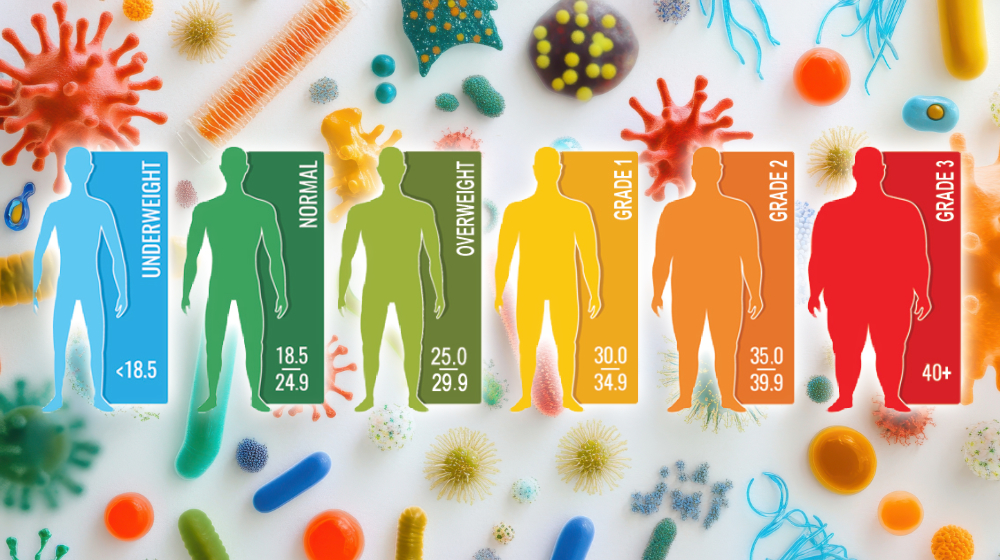
They used data from 2018 through 2020, deemed before COVID, 2021 during COVID, and 2023 after COVID; they looked for hospitalizations and death due to infections. There were about 47,700 Finnish subjects and 479,500 UK subjects. The researchers used the standard definitions of normal, overweight, and the four classes of obesity: normal BMI less than 24.9 kg/m2, overweight as 25.0 – 29.9, grade I obesity as 30.0 – 34.9, grade II obesity as 35.0 – 39.9, and greater than 40.0 as grade III obesity.
Comparing grade III obesity with normal-weight subjects, they found the risk of infections and deaths was three times greater in the obese subjects. Combining all the data, the risk of infectious diseases contributing to hospitalizations and death increased in a stepwise manner. Simply put, as the level of obesity rose, so did the risk of infectious diseases. One more thing? The hazard ratio increased dramatically during the COVID epidemic and returned close to baseline after the pandemic ended.
The Bottom Line
This is just one study and because it’s an observational study, no cause and effect can be determined. But my feeling is that this should give pause to everyone who carries extra body fat. The very nature of being overweight or obese compromises the immune system; that means the person is at risk for an infectious disease from any one of 925 potential microbes and maybe more by now. This is the time to work toward getting to a normal weight for your height. Increase your healthspan: Eat less. Eat better. Move more.
What are you prepared to do today?
Dr. Chet
Reference: Lancet 2026; 407:951–62