Everything Old Is New Again
In Tuesday’s Memo, I said I’ve heard this song before. Actually, I’ve heard it twice before. Due to the nature of this trip around the world of high protein, the song “Everything Old is New Again” seems completely appropriate.
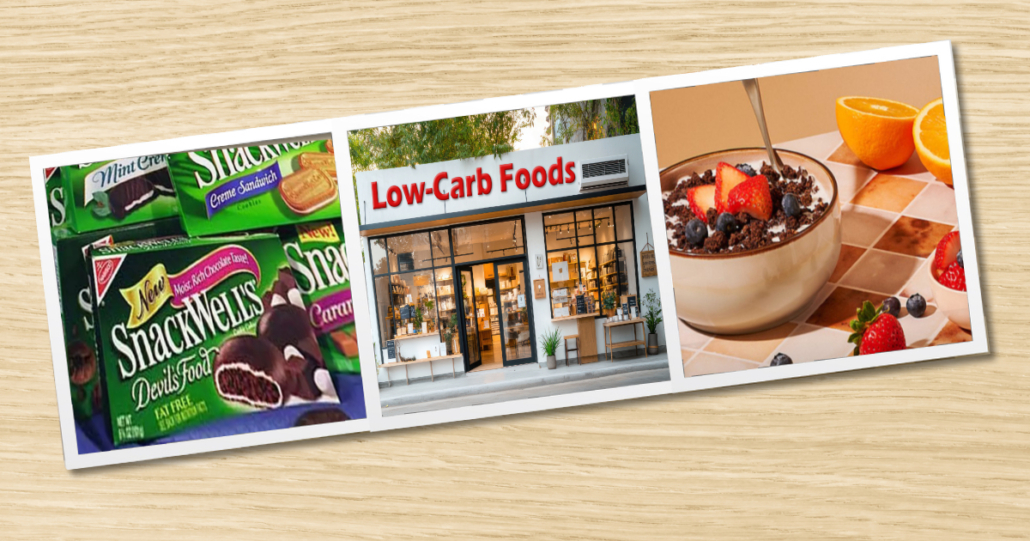
The first time I heard the high-protein song was in the early 1990s. When the first Dietary Guidelines were published after the 1977 McGovern Report on American Diet recommendations, every manufacturer tried everything they could to get fat out of their products; that led to products high in sugar and food additives to give the sensation of fat on the tongue. Remember the Snackwell cookies? It also led to other low-fat and low-sodium foods such as Healthy Choice brands. If you could pick one time that jumpstarted the countless ultra-processed foods we have today, I would pick that time.
The second time was the low-carb craze that began with the second generation of the Atkins Diet craze in the early 2000s. I can remember low-carb stores opening just about everywhere. They closed just about as fast; that wave didn’t last long. Evidently, people aren’t interested in foods without carbs that don’t taste very good. Who knew?
This time around, after the ketogenic diet has gained a foothold in society, the movement has been aided by the recent 2025 USDA Dietary Guidelines that focus on higher protein but combining it with lower fat intake. I’ve seen products come to market without gluten and just a few carbohydrates. That’s why a beef-based breakfast food you add milk to, preferably full-fat milk, doesn’t really surprise me. Whether this is a healthy trend or not is to be decided.
I’ll say it again because it isn’t complicated: Eat less. Eat better, and by that I mean foods as close to natural as possible. And then move more. That’s the path to health—no gimmicks required.
What are you prepared to do today?