Forever Chemicals: Maybe Not Forever
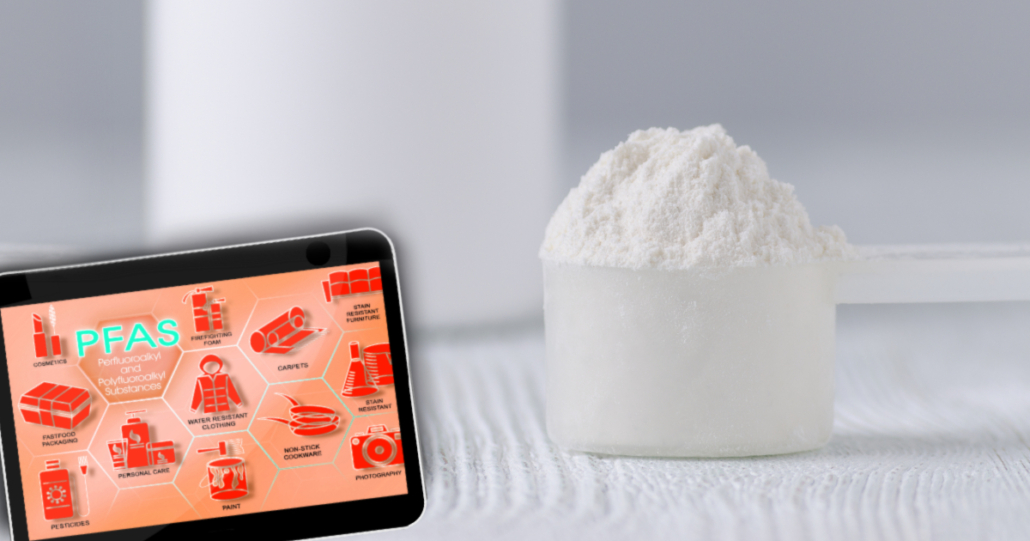
The issue with forever chemicals, particularly PFAS, is that we can’t avoid exposure, especially because they are found in the water supply. That’s why a couple of recent studies provide some hope that a solution can be found in the foods we eat, specifically fiber.
Study One: Oat Fiber, Cholesterol, and PFAS
Canadian researchers examined the blood of 72 men who participated in a study of the use of oat fiber (beta-glucan) to lower cholesterol. They re-examined the blood samples taken for that study for PFAS levels collected before and after taking the fiber supplement for four weeks. They found that those taking the fiber showed reduced levels of some forms of PFAS in their blood.
That’s a very short study, and while done with a different purpose in mind, it still provided some direction for future research. The types of fiber and the forms of the PFAS that can be affected still need to be determined, but as I said, it provides direction.
Study Two: Inulin, PFAS, and Your Liver
Researchers began with several questions for this study in mice. First, was the damage caused by PFAS passed from mother to pups? Second, could adding a form of fiber called inulin to the diet of the pups reduce the damage from the PFAS exposure?
The answer to the first question was yes. Both liver damage and damage to the microbiome of the mice and their offspring were confirmed. Second, did the use of inulin fiber reduce and reverse the damage to both the liver and the microbiome? The answer again was yes.
This was a rodent study and humans are not rodents. However, it’s apparent that fiber supplementation was beneficial in reversing at least some of the damage caused by PFAS. Combining this with the earlier study, this is a direction that should be pursued by further research.
The Bottom Line
These two studies illustrate the benefit of basic research. It’s a beginning stage; we don’t yet know the complete mechanism of action of the fiber in relation to the microbiome and how that works with eliminating PFAS from our body, or even whether other types of fiber would work as well. As time goes on, if the research can go on, we’ll know more.
To me, we already have the direction in the recommendation of getting 25–35 grams of fiber every day. Fruit, vegetables, beans, nuts, and grains will provide us with the fiber we need every day, and a fiber supplement will give you extra insurance for those days you don’t eat as you should. If we start doing it now, we can wait for the research to catch up to our healthy lifestyle.
What are you prepared to do today?
Dr. Chet
References:
1. https://doi.org/10.1186/s12940-025-01165-8
2. https://doi.org/10.1016/j.envpol.2025.126749