Just Breathe
As I was lying there before my colonoscopy, waiting for the drugs to kick in to put me in la-la land during the procedures, I used a form of the technique used in this study of dealing with stress: rhythmic beathing. First, the paper.
Researchers recruited 27 graduate students to participate in a clinical trial to test two types of deep breathing in stressful situations. The only issue they cite was that they had no male volunteers, so the results may apply only to women (but probably not, in my opinion). They tested heart rate via electrocardiogram (EKG), electroencephalogram (EEG), as well as verbal responses. The EEG gave the researchers the chance to see the responses in specific areas of the brain. While complex in interpretation, they were able to identify areas associated with stress and relaxation.
They used two different breathing techniques. The fast response was a quick 1 second in and 1 second out. The slow technique was 3 seconds in and 3 seconds out. The key to both was belly breathing where you expand your belly as you breathe in. The slow technique reduced heart rate more than the quick breath technique.
Why would slow belly breathing impact heart rate and brain activity? It may be the impact on the vagus nerve, which slows down both breathing and heart rate. No matter how, slow rhythmic breathing in stressful situations works.
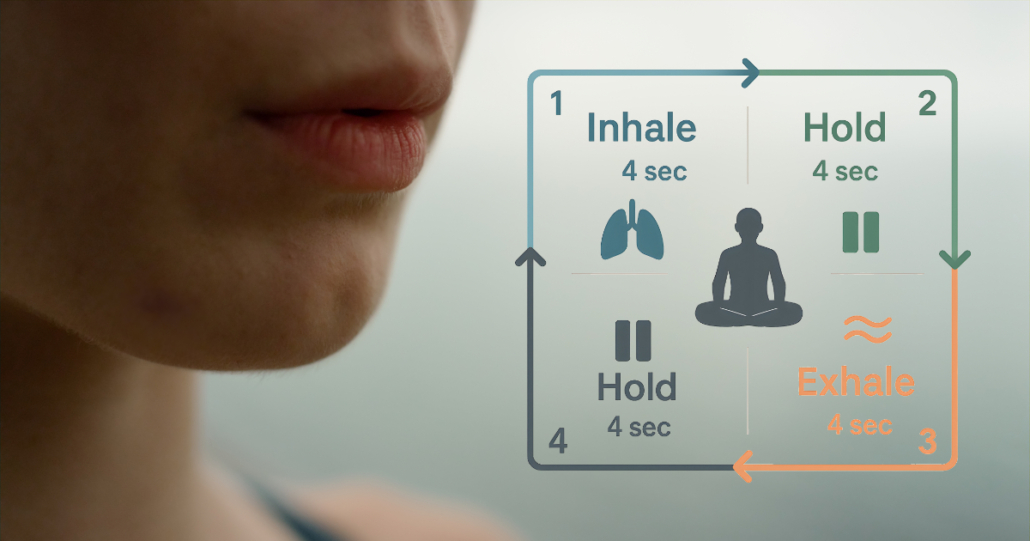
The specific technique I use is sometimes called box breathing: 4 seconds in, a 4-second hold, 4 seconds out, and another 4-second hold. There are many permutations taught in everything from yoga classes to mental coaching programs; when you’re not in a critical stress situation, it can help you focus your thoughts.
Whichever method you prefer, slow breathing techniques can help relieve stress and anxiety.
One More Thing
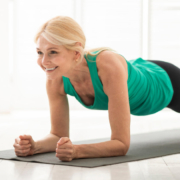
It would be irresponsible of me not to tell you about the classic way to deal with the physical and mental response to stress: regular aerobic exercise. Exercise trains the autonomic nervous system (ANS) that controls hormone release as well as resets the tone of the ANS. Briefly, your heart rate is controlled by both the sympathetic and parasympathetic nervous system; the sympathetic wants to speed things up while the parasympathetic says to relax. The balance between them is called tone. Exercise sets the tone lower so when you’re exposed to stress and anxiety, your body can deal with it better. Your body can be trained to deal with stress by moving more—and that’s in addition to all the other benefits.
What are you prepared to do today?
Dr. Chet
Reference: Nature. Scientific Reports. (2025) 15:841