Lithium: It’s The Amount That Matters
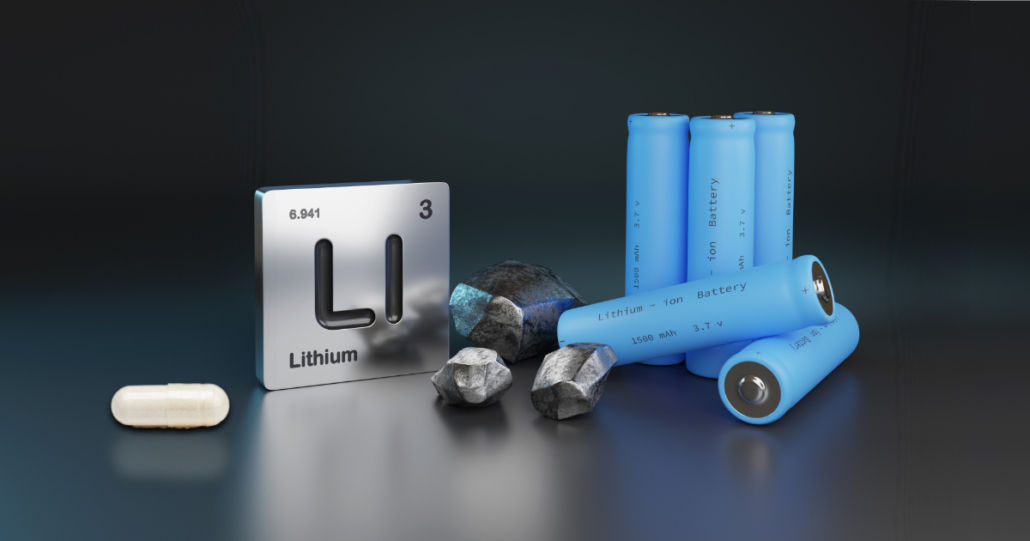
I received a question from a long-time reader the other day. They asked, “What is the difference between lithium orotate and the lithium in batteries?” The short answer is simply that they are the same metal. Given the history of lithium batteries and their tendency to overheat and sometimes explode, I’ll go into a little more detail.
Lithium is the lightest metal on the Periodic Table. It is a soft, lustrous metal and, while it is found in quantity in mines, it is everywhere. As an element, it can be toxic. What makes it less so is that it can naturally bind to so many other elements. Depending on what it binds to, that can determine whether it’s safe to use.
Lithium orotate is an organic salt and far supersedes the efficacy of other organic salts and inorganic salts such as lithium carbonate. In batteries, the value of lithium is its ability to freely give up ions that can result in the production of energy, but there’s about 38.4 mcg of elemental lithium contained in 1 mg of lithium orotate. That’s at least 1,000 times less than found in a single AA lithium battery and without the toxic solvents necessary to make the battery work.
Another reader asked about the highest sources of lithium in the food supply. That’s something I would have included, but it all depends on the water supply and whether the soil has lithium in it. For now, there is no way to provide a list. Eat them all!
I hope that clarifies things. On Friday: why the way Riley eats pasta might just be best for gut health.
What are you prepared to do today?