What Is Resistant Maltodextrin?
I received a question from a long-time reader last week concerning maltodextrin and why it might be bad enough to end up on some health experts’ do-not-eat list. I’ve never written about it before, so let’s take a look.
Let’s start with this: there are two forms of maltodextrin. One is known as maltodextrin (MAL) and the other is called resistant maltodextrin (RMAL). What’s the difference?
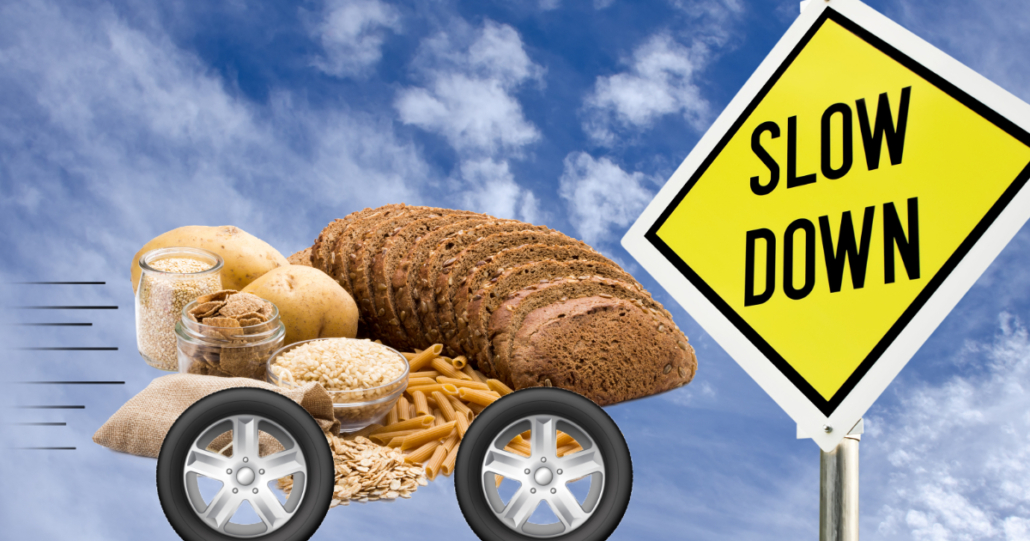
Dextrins are the indigestible component of starch; starchy foods include potatoes, bread, rice, pasta, and cereals. Using heat and enzymes, they’re turned into indigestible dextrins called RMAL. Resistant to what? Digestive enzymes. In simpler terms, it’s a fermentable fiber that’s been researched for its potential to lower the risk of hypoglycemia, obesity, and metabolic syndrome. What makes it special is that it can serve as a prebiotic as well as fiber.
If the RMAL is further broken down, it results in MAL; it’s used in many foods, but the difference is that it’s broken down into simple sugar molecules, which we absorb quickly. Like almost every food I talk about, a little is good but too much may be harmful. I’ll cover why on Saturday.
What are you prepared to do today?
Dr. Chet
Reference: National Institutes of Sciences, Engineering, and Medicine. 2005. Dietary Reference Intakes for Energy, Carbohydrate, Fiber, Fat, Fatty Acids, Cholesterol, Protein, and Amino Acids. Washington, DC: The National Academies Press.