
Exercise Rules!
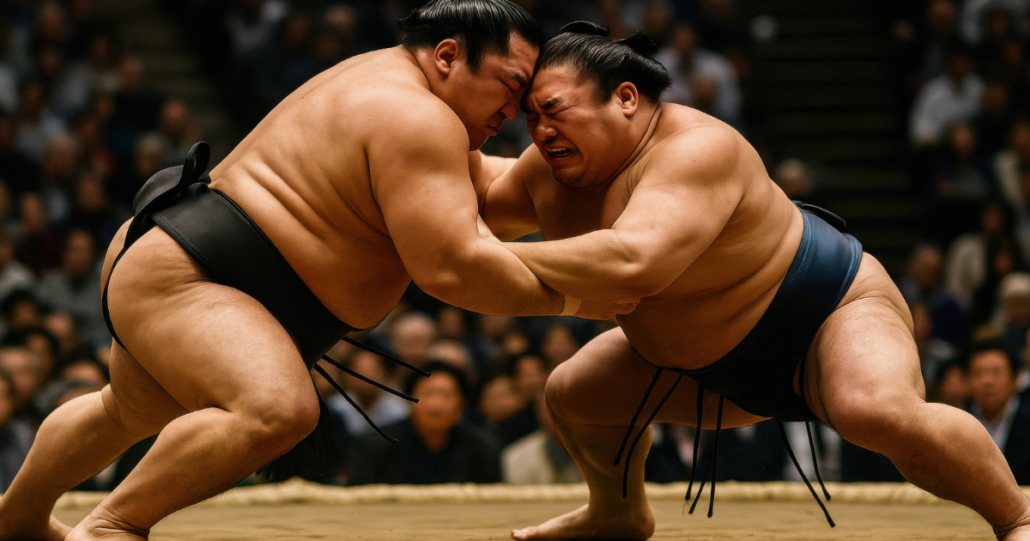
The top sumo wrestlers weigh an average of 355 pounds. I watched a little wrestling when Konishiki, a Hawaiian sumo, was popular; he had been the heaviest sumo up to that time weighing over 600 pounds. The question is with weighing so much, are sumo wrestlers at risk for weight-related disease? It comes down to the visceral fat issue.
The sumos train for five or six hours first thing in the morning. Think about moving your body weight or more for that long every day. This isn’t just lifting weights—you’re trying to grab, hold on, and move 300 to 400 pounds for hours every day. The sumos have massive core, hip, thigh, and calf muscles. No doubt they have massive amounts of body fat, but most is subcutaneous fat. The visceral fat is much lower than the 300- to 400-pound North American obese individual and lower than those with comparable body fat.
What protects the sumo is the excessive exercise they get every day. True, they often eat 5,000–10,000 calories per day to gain weight, but they don’t suffer the same issues as sedentary people of the same weight.
The problem begins when they retire and no longer train. Due to their massive size, the risks of increasing visceral fat and disease accelerate. Unfortunately, many succumb to those diseases. The great Konishiki developed kidney failure within the past two years and required a kidney transplant. As of this writing, he’s still alive at 62.
The lesson for all of us is this: until we can lose the excess body fat, we have to stay as active as we can with regular exercise, especially weight training. Preventing the age-related loss of muscle due to sarcopenia and building as much muscle as we can through weight training and aerobic exercise can help reduce visceral fat. It’s not a permanent solution, but doing as much as we can to reduce the risk is significant. Until we can master the first two steps of eating less and eating better, moving more is critical. Exercise rules!
What are you prepared to do today?