
Is Obesity a Disease?
In a podcast about GLP-1 receptor agonists and several new medications that are under development, the expert was a researcher on the cutting edge of what these peptides can do for weight loss. A couple of things she said didn’t sit right.
One was that obesity is a disease of genetic tendencies to store fat more effectively and create a body-fat setpoint. The implication is that in a land of food abundance, specifically ultra-processed food, the setpoint could be raised but never lowered without medical intervention. The second was that these medications are the best solution for obesity, and thus people will have to take the medications for life or they’ll gain back weight.
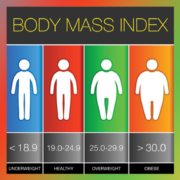
According to the World Health Organization and just about every other medical society in the world, overweight and obesity are defined as abnormal or excessive fat accumulation that presents a risk to health. But is it as simple as that? Based on a recent paper, the risk of getting type 2 diabetes is 7% to 12% in men and women at a BMI of 30; as BMI increases to over 40, the risk goes up to 74% for both men and women. It’s not an excuse to stay obese, but does it mean someone who is obese will get the diseases associated with obesity? I have more questions, and I’ll cover them on Saturday.
Insider Conference Call is tomorrow night. The topics of the evening are reviewing the top five foods that prevent cancer as well as answering Insider questions. Interested? Become an Insider by 8 p.m. Wednesday and you can join in.
What are you prepared to do today?
Dr. Chet
References:
1. Int. J. Environ. Res. Public Health 2024, 21, 73.
2. Stat Pearls. 2025. Obesity and Type 2 Diabetes